

Winter gives the coast back. Car parks thin out, the gulls take over the promenade, and a path that was crowded in August belongs to whoever is willing to wear a hat. It is also the season when the sea is at its most serious and the daylight at its shortest. A walk that takes four comfortable hours in June can turn tight and cold by January. None of that should put you off. It should change when you go, what you carry, and how carefully you read the ground.
Start with the tide table, not the map
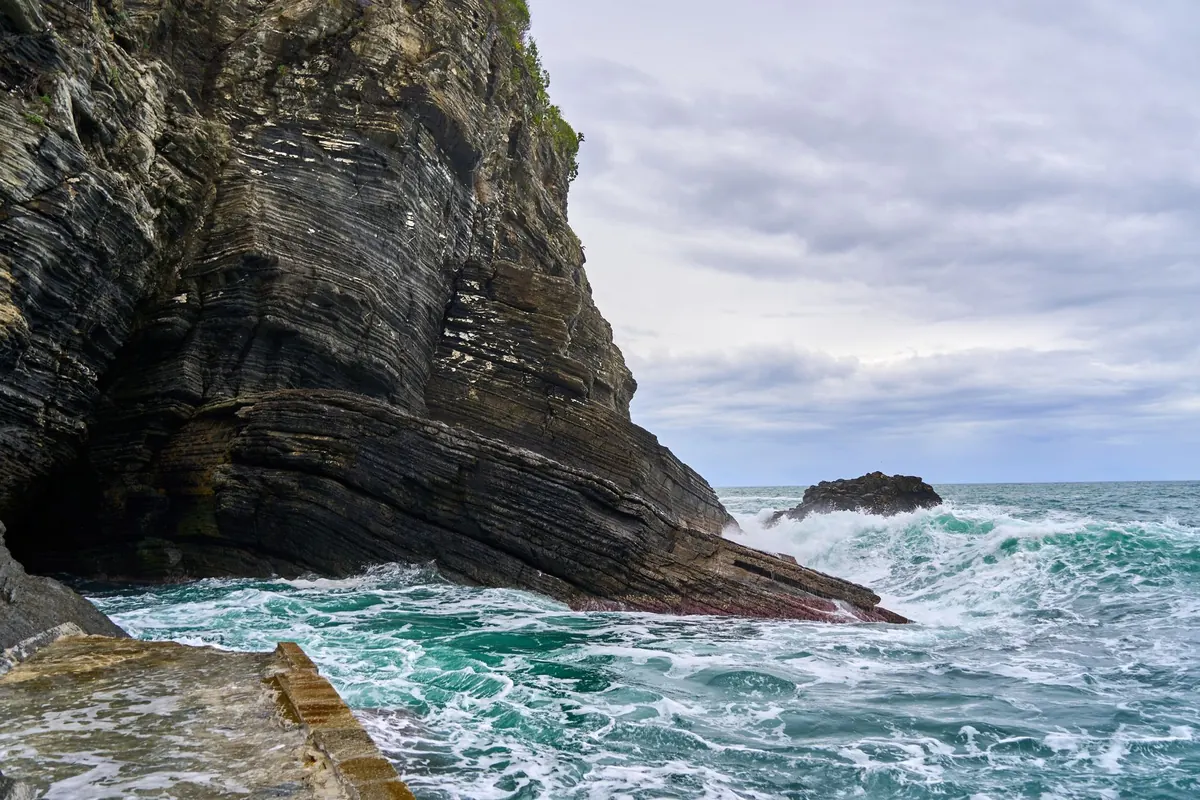
On many stretches of the British coast, the tide is not background noise. It is the route. Beach sections below cliffs, spits at estuary mouths, causeways to tidal islands and the wide flats of low water all appear and disappear twice a day. Get that wrong and you face a long retreat or a scramble up ground you should not be climbing.
Use the tide table for the nearest standard port, not the nearest beach. Times shift along the coast, sometimes by half an hour or more, and actual heights move with the weather: a spring high with a strong onshore wind will reach further than the printed figure suggests. Walk the exposed stretches on a falling tide where you can, so the water is giving you room rather than taking it back. Springs give the biggest range and the fastest-moving flood; neaps are gentler but can leave shallow, muddy channels where you least expect them.
Before you set out, pick your escape routes. If a beach is cut off below cliffs, note where the steps or the inland path leave it. Those are the points you need to recognise in fading light.
Weather windows and the short winter day
Check the inshore waters forecast as well as the general one. It gives wind, sea state and visibility for the stretch of coast you are actually walking, which matters more than whether it will rain in the nearest town.
Wind direction shapes the walk. An out-and-back route with the wind behind you on the way out means a hard push home, and headland gusts can be a force or two stronger than the sheltered valley you started in. Onshore winds bring spray, wet rock and a heavier sea against the promenade wall.
Then there is light. In December, a low sun sets early and the last hour below a cliff line is much darker than the sky suggests. Set a turnaround time rather than a destination, and carry a head torch even for a two-hour walk. Ice and frost are the other winter complication: wooden boardwalks, granite slipways and shaded steps hold it long after the fields have thawed.
Kit that earns its place
A coastal winter walk does not need expedition gear, but it does need a few things that summer kit will not cover.
- Boots with real grip and ankle support. Wet clay, chalk and seaweed are all unforgiving. Jeans are a poor choice; wool or fleece keeps some warmth when damp, cotton does not.
- A waterproof shell, jacket and trousers. On an exposed path, windproofing matters as much as waterproofing.
- Hat, gloves and a spare pair of dry gloves. Cold hands make stiles, gates and map reading needlessly difficult.
- A head torch with fresh batteries. Keep it in the pack from October onwards.
- A paper map or a downloaded offline map, plus a power bank. Signal drops out along cliffs and in coves.
- Trekking poles. They turn a greasy, stepped descent into something manageable.
- A flask and proper food. Winter walking burns more than you think, and there may be nowhere open to buy anything.
- Dry socks and shoes in the car, and a towel for a wet dog.
Underfoot: mud, rock and cliff edge
Mud, steps and slipways
Shorten your stride, use your poles, and take the raised centre of the path where it is drier — but do not widen a path by trampling the verge either. On wet wooden steps and stone slipways, walk flat-footed and test each one. Green algae and weed on rock are slick even when they look dry.
Cliff edges and erosion
Ground that was solid last winter may not be now. Erosion, undercutting, and freeze-thaw all loosen the lip of a cliff, and the safe distance is greater than it looks. There is no view worth standing on the edge for, and no photograph worth letting a dog or a child run ahead towards it. Where a path is fenced or signed closed, treat that as information rather than an obstacle.
Give the sea an hour of daylight in hand and it is a companion. Give it nothing and it becomes a timetable you cannot argue with.
Gates, access and the working coast
Leave gates as you find them, close those that are closed, and follow any signs about livestock or seasonal restrictions. Some paths are shut for a few weeks for shooting, landslip or cliff works; the local council, National Trust or estate will usually list this, and a quick look before you travel saves a wasted trip.
Keep dogs under close control around sheep and cattle at all times, and on a lead where signs ask for it. In winter, many beaches that ban dogs in summer relax the rule — check the notices rather than assuming. Park so you are not blocking a farm gate, a passing place or a harbour entrance, and expect toilets, cafés and kiosks to be shut. Carry out everything you bring, including the things that seem harmless, like orange peel and apple cores.
Wildlife etiquette in the quiet months
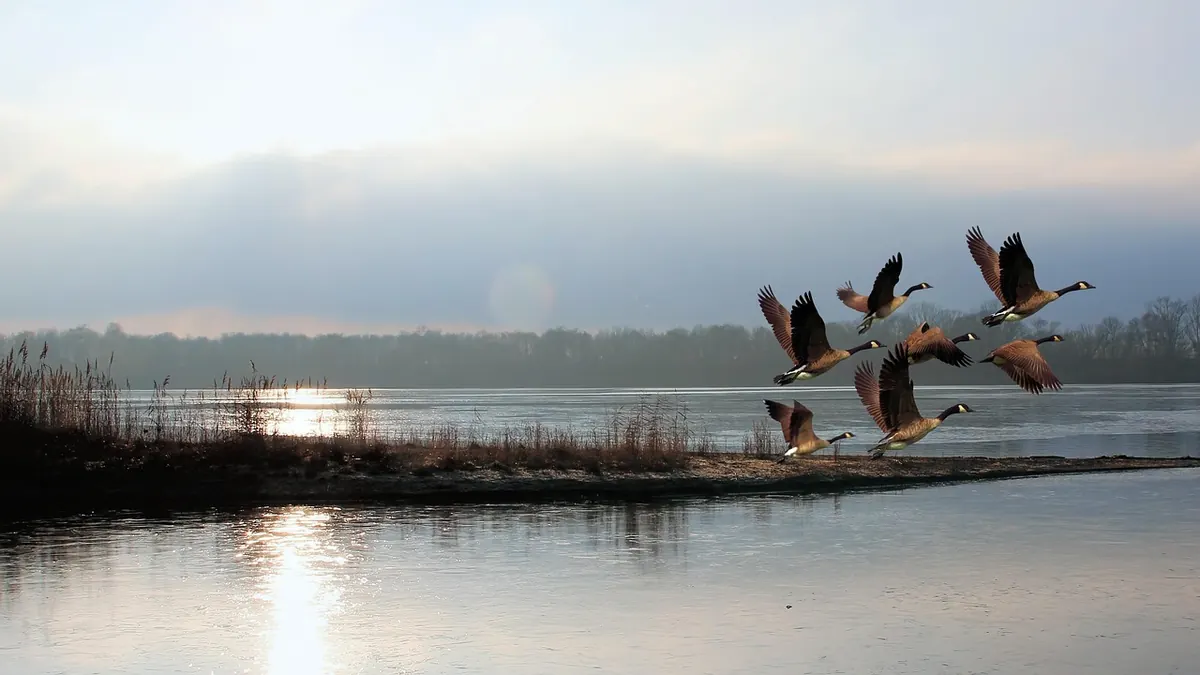
Winter is when the coast belongs to birds. Estuaries and beaches hold roosting flocks of waders, wildfowl and geese, and a single dog running through them can put hundreds of birds into the air. Each one of those birds spends energy it cannot easily replace in cold, short days. Give flocks a wide berth, walk around rather than through them, and use binoculars instead of your feet.
Seal haul-outs are busy too, with pups born in the late autumn and winter months depending on the colony and the species. Never approach a pup, however alone it looks, and keep dogs well away. If an animal looks injured or in trouble, do not handle it yourself; contact your local marine mammal rescue organisation or wildlife trust and let trained people respond.
A five-minute check before you leave the car
- Tide times and heights for the nearest standard port, plus the height of the return leg.
- Time of sunset and how long the route will realistically take on wet ground.
- Wind direction and strength, and which leg of the walk it will be against.
- Escape routes, and a turnaround time you will actually stick to.
- Someone at home who knows the route and when to expect you.
- Phone charged and in a waterproof pouch. In an emergency on the coast, dial 999 and ask for the coastguard.
Do that, and the empty winter path gives you what it promises: a hard, clean light, a curlew somewhere out on the mud, and the sense that you have the whole shoreline to yourself. Walk it well and you will be back for the next low tide.
Photo: 0xCoffe / Pixabay